
Built Different: Inside Stride Treglown, the practice putting people at the heart of architecture
Architecture loves a glamour shot: the pristine building, emptied of people, caught in a perfect light.
But the most honest test of design is never the photograph. It's the school corridor at 8.40am. The community hall on a wet Tuesday. The moment a space starts being lived in.
That tension, between the ideal and the real, runs through everything Stride Treglown does. Not only in the buildings it designs, but in how it is led.
The Bristol-headquartered practice, and long standing member of the Charter, employs around 330 people across nine UK offices. Large by architecture's standards; modest by almost any other. And over the past decade, it has been doing something quietly radical: treating people not as a soft consideration alongside the strategy, but as its foundation.
In March 2025, Stride Treglown became an Employee Ownership Trust. It is also a B Corp, recently recertified. These structures matter because they formalise what can otherwise stay intangible — a set of values the organisation can actually be held to.
But structures alone don't change culture. People do.
Sean Peacock, Head of HR and Associate Director, has been part of a broader shift in bringing a clear people and development voice into a business that has grown, diversified and matured. A few years ago, the practice created an inclusion strategy, co-founded with colleagues including directors Caroline Mayes and Rachel Bell.
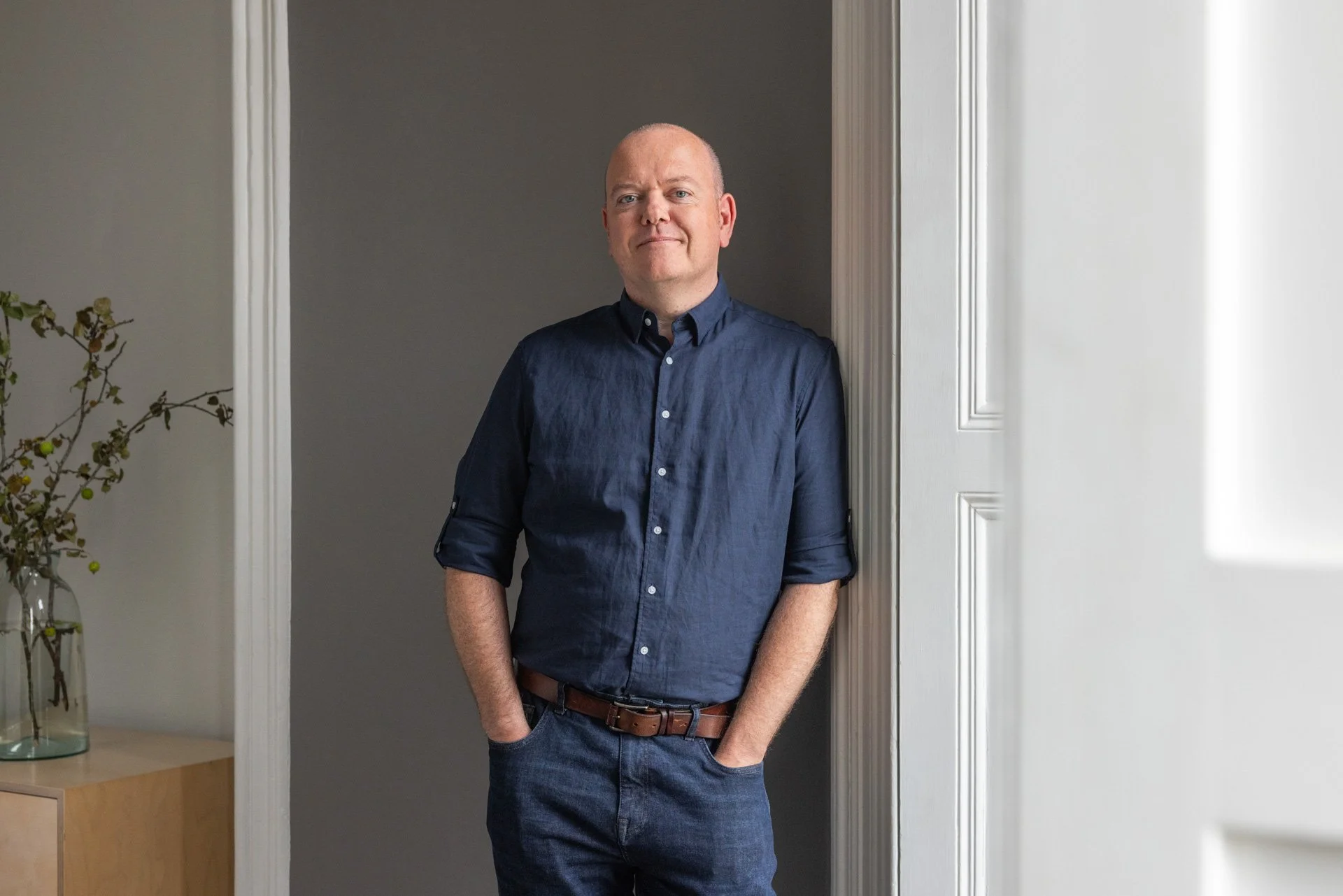
Sean Peacock, Head of HR and Associate Director at Stride Treglown
"We agreed years ago that we want to focus on inclusive leadership and inclusive culture to drive diversity," Peacock explains. "Not to go, here's a diversity metric and tick those boxes."
In architecture, this matters more than most.
Registered architects in the UK remain roughly 70/30 male to female. Stride Treglown now sits closer to 60/40, and is shifting. Graduate cohorts are often at parity, sometimes majority female, while senior leadership still reflects the demographics of a previous era. Young professionals arriving today notice the gap immediately.
As Peacock puts it, they look around and ask: "My demographic looks like this - and you don't."
Caroline Mayes, a director overseeing people strategy, understands that reckoning from the inside. She has been at Stride Treglown for 22 years, joining as a student, qualifying there, raising two children while progressing through the business. For a long time, she was the most senior part-time working mother in the practice. The visibility was uncomfortable.
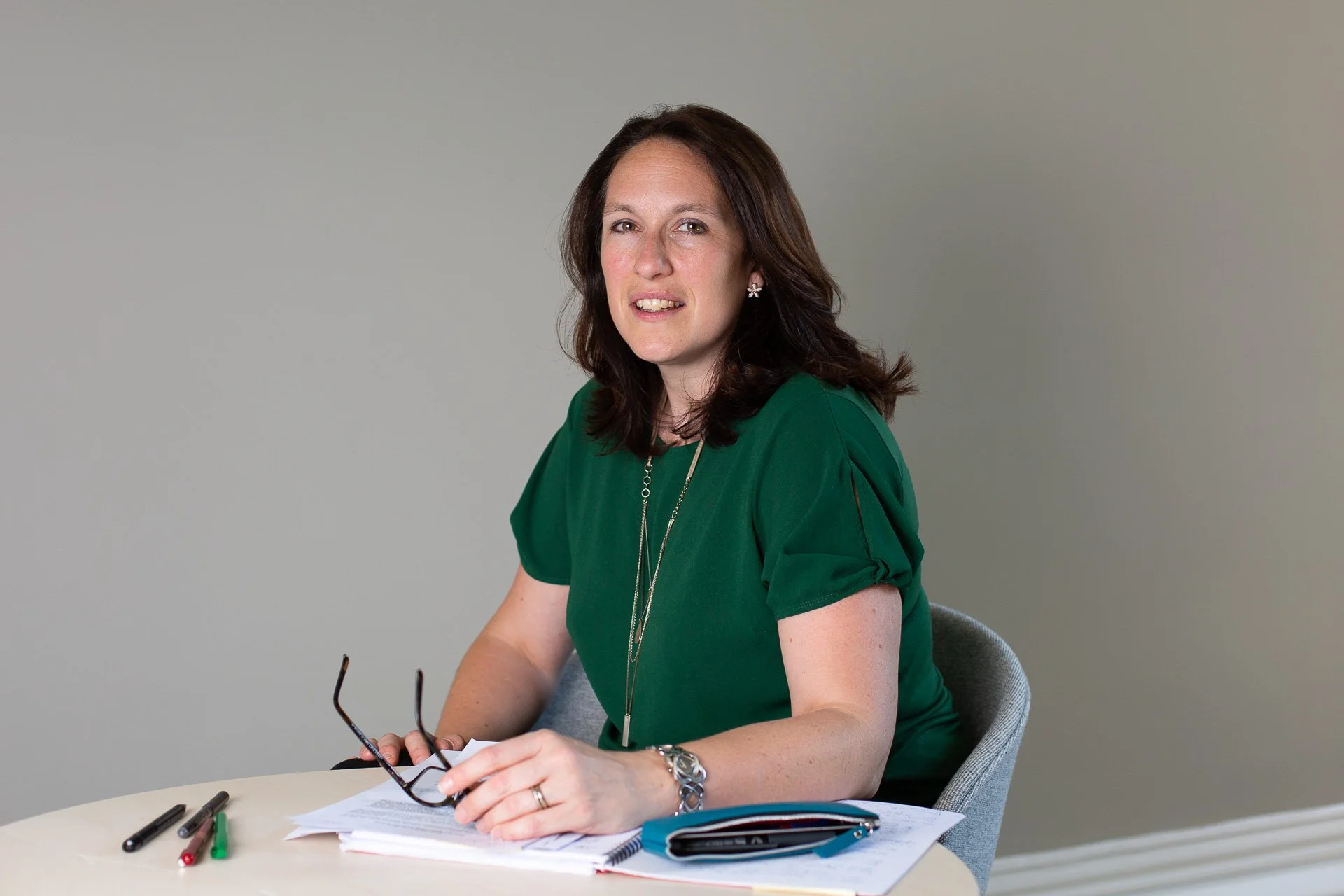
Caroline Mayes, Director at Stride Treglown
"I massively underestimated what other people would think when they could see somebody doing it in this business," she says. Over time, she came to see that discomfort differently, not as a burden, but as a responsibility.
To speak openly and make room.
Stride Treglown has offered flexible working arrangements for decades, long before hybrid became a post-pandemic bargaining chip. After 2020, it formalised hybrid working and resisted the drift back toward rigid office expectations that many firms have quietly reinstated. The policy remains deliberately loose: guided by the work, not a fixed quota.
Crucially, this is not framed as a women's issue. And that, Peacock says, is the point. He returns to an old analogy - the rising tide. Remove structural barriers for one group and you tend to improve conditions for many, parents, yes, but also people caring for elderly relatives, those managing health needs, those rebuilding after change.
The same thinking is shaping reward, progression and transparency. Employees want to understand how decisions are made, how feedback is given, what advancement actually looks like.
These are not inclusion initiatives.
Instead, they are the basic conditions under which trust either builds or quietly erodes.
Sometimes the most meaningful ideas come from the people closest to the work. In January 2026, Stride Treglown began trialling term-time working, spreading salary across twelve months to soften the financial impact of school holidays, when childcare costs spike.
The idea came from a colleague in conversation with Peacock, prompted by a discussion about gender pay gap reporting. Her point was simple: the statistics matter legally, but there is a myriad of things a workplace can offer that actually change people's daily lives.
Peacock describes the value of being a member of the Charter as being open to asking a set of questions. "There are moments where you may feel you know the answers, but there are others where you realise ‘ we really don't know’ and ‘we definitely need to look at that’.”
This is the quieter, less photogenic work of any practice serious about its future - the listening, the adjusting, the willingness to keep asking whether the conditions you've built are still fit for the world as it is now.
Architecture may still love the glamour shot, but the future belongs to practices like this prepared to design for life.
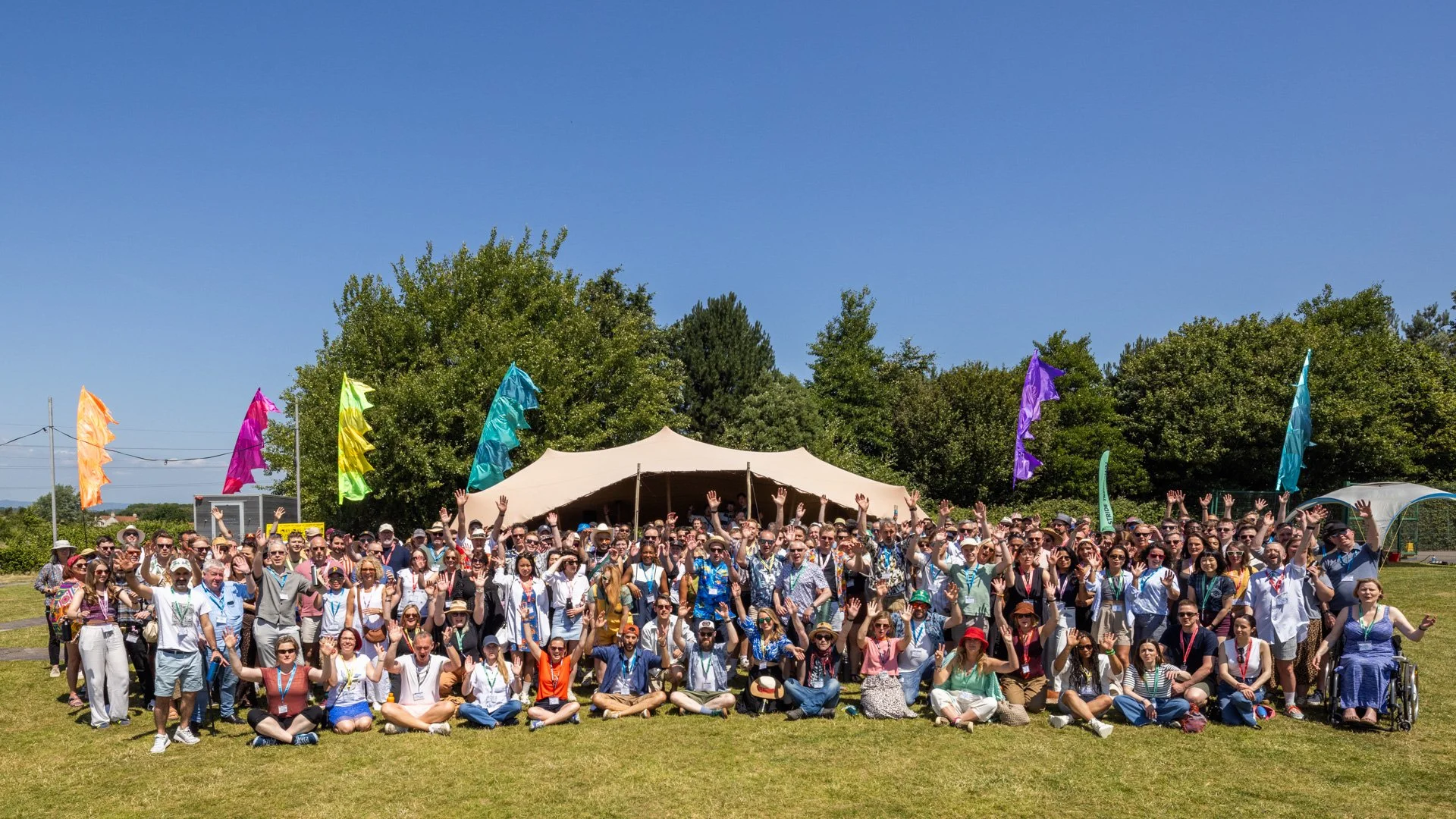
Strides team annual get together 2025
Stride Treglown’s Measuring Positive Impact 24-25 Report can be found here.